


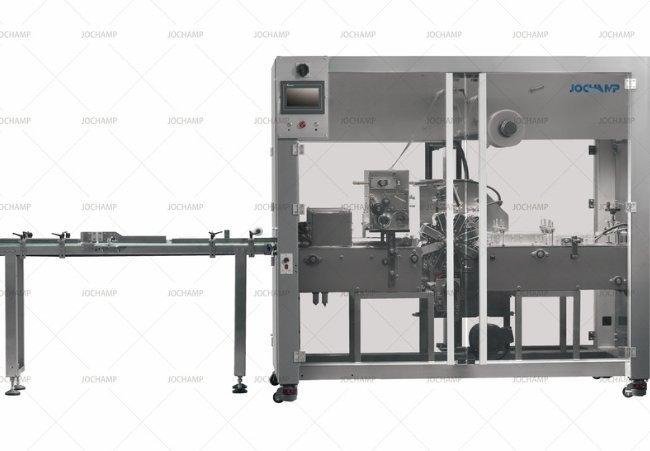
The clear, tight wrap on a box of tea. The glossy film around a perfume carton. The sealed finish on a pack of cigarettes. These are all the work of a cellophane overwrapping machine, and they show how widely the equipment is used. From food and tobacco to cosmetics and gifts, the same basic process protects products and makes them look their best. This guide looks at the main uses, product by product.
Tea, Coffee and Dry Foods
Tea is one of the most common products wrapped on a cellophane overwrapping machine. A tea box needs to stay dry and keep its aroma, and the customer needs to know it has not been opened. A tight cellophane wrap does both: it keeps moisture and dust out, and the seal shows the pack is untouched. The clear film also lets the printed design show through, which matters for tea brands that rely on beautiful packaging to stand out on a crowded shelf.
Coffee follows the same logic, and a cellophane overwrapping machine wraps ground coffee and coffee beans sold in cartons in the same way. Dry foods such as biscuits, sweets, dried fruit and spice boxes benefit in the same way. The wrap keeps the product fresh for longer, protects it during transport, and gives the pack a finished look that a bare carton cannot match. For small food producers, a neat wrap can make a product look ready for a supermarket shelf, even when sold at a local market.
Tobacco and Smoking Products
Tobacco is perhaps the most familiar use of a cellophane overwrapping machine. Cigarette cartons and packs of rolling tobacco are wrapped as a matter of course, and the tight, glossy finish is part of how the product is recognised. The wrap keeps the tobacco fresh, protects it from damp, and shows that the pack has not been tampered with.
Cigar boxes are wrapped the same way, often with a tear strip so the customer can open the pack cleanly. The same applies to other smoking products sold in cartons. Because these products are sold in high volumes and need a consistent finish, tobacco businesses were among the earliest users of overwrapping machines.
Cosmetics and Personal Care
Perfume boxes are a classic use for a cellophane overwrapping machine. A perfume carton is often beautifully printed, and the clear wrap protects that printing from scuffs and fingerprints while letting the design shine through. The glossy finish adds to the sense of luxury, which is exactly what a perfume brand wants the customer to feel when they pick the box up.
The same applies to creams, soaps and gift sets. A soap maker who wraps each bar’s carton in cellophane gives the customer a product that looks finished and protected, and a cosmetics gift set wrapped as one unit looks far more special than the same items loose in a bag. For small cosmetics producers, the wrap is an affordable way to make a product look premium without redesigning the packaging.
Pharmaceuticals and Health Products
Medicines and health products need packaging that shows whether a pack has been opened. A cellophane overwrapping machine provides that seal, and the tight wrap also protects the carton from damp and handling damage. Vitamin boxes, herbal remedies and first aid kits are all commonly wrapped this way.
The wrap also helps with identification. A sealed pack is clearly a new, unused product, which matters for customers buying medicines and for retailers who need to know that stock has not been tampered with. Some pharmaceutical producers add printed film or a branded tear strip, which makes the pack harder to copy and easier for the customer to recognise.
5 Signs a Product Suits Cellophane Wrapping
- It comes in a rigid box: flat faces and square corners wrap neatly.
- It needs to stay dry: the film keeps moisture and dust out.
- It should look sealed: customers want to see the pack is unopened.
- It sells on appearance: a glossy wrap makes the design stand out.
- It travels far: the film protects the carton during transport and handling.
Gifts, Stationery and Small Goods
Beyond food, tobacco and cosmetics, a cellophane overwrapping machine is used for all kinds of small goods. Gift sets are an obvious example: a set of candles, a box of stationery, or a collection of small toys looks far more appealing when wrapped as one neat unit. The wrap holds the set together, protects it, and makes it feel like a gift rather than a handful of loose items.
Playing cards, notebooks, calendars and puzzle boxes are wrapped the same way. The film keeps the product clean on the shelf and shows the customer that nobody has opened it. Even small electronics accessories sold in cartons are sometimes overwrapped, because the seal reassures the buyer that the item inside is new.
Frequently Asked Questions
Can a cellophane overwrapping machine wrap food safely?
Yes. Cellophane is widely used for dry foods such as tea, biscuits and sweets, and a cellophane overwrapping machine handles them all. Check local food packaging rules for your product, and make sure the film you use is approved for food contact.
Does the wrap work on soft packs?
It works best on rigid boxes. Soft pouches and flexible packs are harder to wrap neatly, because the film has nothing firm to fold against.
Can I wrap different products on the same machine?
Yes, as long as they are all rigid boxes within the machine’s size range. Changing from one box size to another takes a few minutes of adjustment, so group products by size where you can.
See also: Inspirational Quotes for Your Prayer Cards
Final Thoughts
A cellophane overwrapping machine is a versatile piece of equipment, and its uses stretch far beyond any single industry. Tea, tobacco, cosmetics, medicines, gifts and stationery all benefit from the same simple idea: a tight, clear, sealed wrap that protects the product and presents it well. If your product comes in a rigid box and needs to look its best on the shelf, overwrapping is very likely worth considering.