


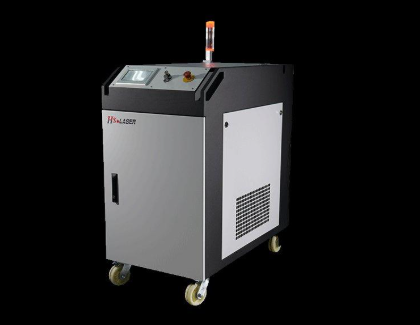
Laser cleaning machines come in many shapes and sizes, from small handheld units to large industrial systems. Prices vary widely, and so does performance. Choosing the wrong machine wastes money twice: once on the purchase and again on the jobs it cannot do. This guide walks through the decisions that matter, so that when you speak to a laser cleaning machine manufacturer you know what to ask and what to look for.
Start with the Work You Actually Do
The single most important factor is the work itself. Removing a thin film of oxide from a polished mould needs far less power than stripping thick rust from a steel beam. Cleaning a delicate bronze statue needs finer control than preparing a ship’s hull. Before looking at any machine, list the materials you clean, the types of contamination and the size of the parts. Bring samples to a demonstration. A reputable laser cleaning machine manufacturer will test on your own parts and tell you honestly which power level does the job, rather than selling you the most powerful machine on the shelf.
Understanding Power Levels
Laser cleaning machines are usually rated by their average power, commonly from 100 watts for light work up to 1000 watts or more for heavy industrial cleaning. Lower-power machines are lighter, cheaper and easier to carry, and they suit mould cleaning, delicate restoration and light rust. Mid-range machines handle general rust, paint and oxide removal on machinery and vehicles. High-power machines strip heavy corrosion and thick coatings from large surfaces quickly. More power is not always better: too much energy on a delicate part can mark the surface. The right choice is the lowest power that cleans your worst case at a sensible speed.
Pulsed or Continuous Wave
Most cleaning machines use pulsed lasers, which fire in short bursts and give fine control over heat. Pulsed systems are the standard choice for cleaning, because they remove contamination selectively without heating the surface beneath. Continuous wave lasers deliver energy constantly and are more common in cutting and welding. Some cleaning systems offer both, but for most buyers a pulsed machine is the right starting point. Ask the laser cleaning machine manufacturer to explain the pulse settings in plain terms, since this is where the quality of the result is decided.
Portability and Ease of Use
One of the great advantages of laser cleaning is that the machine can come to the work. Handheld cleaning heads, portable cases and wheeled units let an operator clean a bridge, a tank or a piece of machinery in place. Check the weight of the handheld head, the length of the fibre cable and how the machine is cooled. Air-cooled machines are simpler and lighter, while water-cooled machines suit higher powers and longer runs. The controls should be simple enough for an operator to learn quickly, with preset programmes for common jobs and clear safety interlocks.
Support, Safety and Running Costs
Laser cleaning machines are generally reliable, but they still need care. Ask the laser cleaning machine manufacturer what support is included: installation, training, spare parts and service response times. Safety matters too: the operator needs proper laser safety glasses, and the work area needs extraction for the dust produced. Running costs are low, since the only regular consumables are electricity and occasional cleaning of the protective lens. Compare the total cost of ownership, not just the purchase price, and ask for a realistic estimate of service intervals.
5 Checks Before You Buy
- Test on your own parts: does it clean your worst case at a sensible speed?
- Match the power: the lowest power that does the job is usually the best value.
- Check portability: can the machine reach the work you actually do?
- Ask about support: training, spare parts and response times.
- Confirm safety: glasses, extraction and interlocks included.
Testing Before You Commit
No brochure can tell you how a machine will perform on your own work. Before buying, ask the laser cleaning machine manufacturer for a demonstration on your own parts, using your own rust, paint or contamination. Watch how quickly the machine cleans, check the finish carefully and ask the operator to explain the settings they are using. A good laser cleaning machine manufacturer welcomes this kind of test, because it shows confidence in the equipment. If a company is reluctant to demonstrate on your parts, treat that as a warning sign. Testing also helps your team: operators who see the process working on familiar parts learn faster and trust the machine sooner. Take the time to compare two or three machines this way, and the right choice usually becomes clear.
Frequently Asked Questions
What power do I need for rust removal?
Light surface rust cleans well with a lower-power machine, while thick, flaking rust needs a mid-range or high-power system. A demonstration on your own rust is the best guide.
Are portable laser cleaning machines effective?
Yes. Modern portable systems clean very effectively, and their ability to work on site is one of their main advantages over fixed workshop equipment.
How long does a laser cleaning machine last?
With proper care and regular lens cleaning, a fibre laser source can serve for many years of daily use. Your laser cleaning machine manufacturer should give you a clear maintenance schedule.
See also: Betterthistechs Article Guide to Betterthistechs Technology Articles
Final Thoughts
Choosing a laser cleaning machine is a practical decision: match the power to your work, test on your own parts, and judge the laser cleaning machine manufacturer on support and honesty. The right machine will clean quickly, leave the surface undamaged and run for years with little fuss. Take the time to compare, and let a demonstration on your own work make the decision for you. Ask a laser cleaning machine manufacturer for a demonstration on your own parts before you buy. A good laser cleaning machine manufacturer will test your worst case and explain the settings, and the laser cleaning machine manufacturer you choose should give you an honest recommendation.