


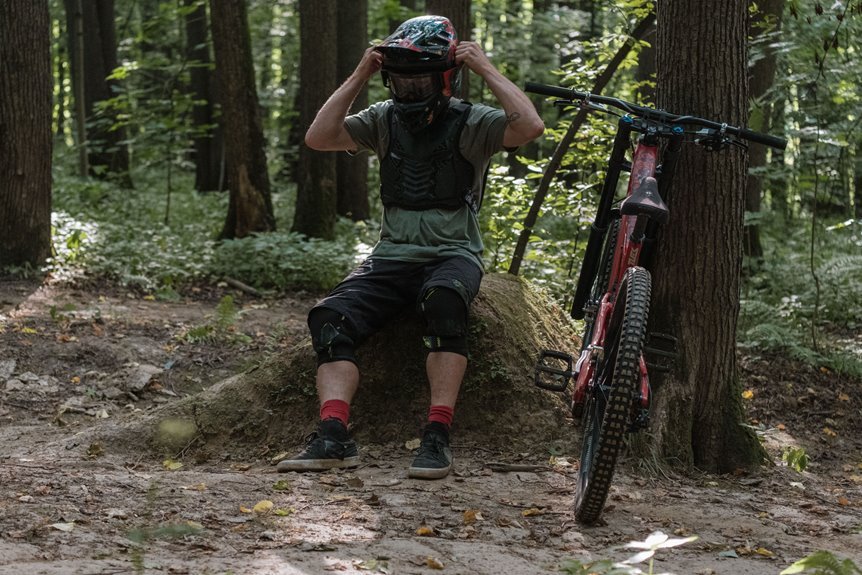
Choosing protective riding clothing for warm weather hinges on practical protection and comfort. Look for high-density, moisture-wicking fabrics that resist abrasion and maintain impact coverage while staying breathable. Layer intelligently with base wicks, breathable mid-layers, and vented outer shells, ensuring armor stays aligned through movement. Favor certified gear with clear abrasion and impact ratings. Consider cost, care, and warranties, and seek adaptable ventilation that keeps you protected and mobile as temperatures rise. The right setup invites further consideration of every detail.
How Warm-Weather Riding Safety Works: Core Protective Principles
In warm-weather riding, core protective principles focus on maintaining impact protection, abrasion resistance, and rider comfort without compromising mobility.
The discussion ideas center on practical use, not exaggeration, while debunking safety myths that undermine preparedness.
Clear layering, armor placement, and compatible fabrics maximize protection without overheating.
Precise choices empower riders to stay agile, confident, and safely fast on sunlit roads.
Choosing Fabric That Handles Heat and Impact
Selecting fabrics that manage heat while preserving impact protection is the next step in warm-weather riding gear. The choice hinges on fabric comfort, heat handling, and material durability, ensuring protective layers remain breathable without sacrificing strength. Modern textiles combine high-density weaves with lightweight fibers to deliver impact protection and moisture management, enabling freedom of movement while maintaining safety on the ride.
Ventilation, Fit, and Layering for Temperature Control
Ventilation, fit, and layering work together to regulate temperature without compromising protection. A practical approach favors deliberate ventilation contrast—designs that vent heat efficiently yet remain protective.
The layering strategy centers on adaptable pieces: base fabrics for wick, midlayers for insulation, and outer shells with adjustable vents.
Proper fit prevents rising drafts while enabling freedom of movement and consistent armor alignment.
Abrasion, Armor, and Certification: What Protection Really Means
Abrasion resistance, armor coverage, and formal certification together define the core protective standard for warm-weather riding gear.
In practice, abrasion armor denotes material strength and impact zones; certification protection signals tested reliability.
Manufacturers align fabrics, foams, and joints to this triad, ensuring predictable performance.
Riders prioritize visible armor placement and credible endorsements over style, demanding proven, durable protection.
Practical Gear Guide: Codes, Costs, and Quick-Care for Warm Weather Rides
For warm-weather riding, practical gear decisions hinge on codes, cost, and care routines that keep equipment reliable without slowing the ride.
A practical gear approach balances certification standards with affordable options, while simple quick-care routines minimize downtime.
Clear labeling, warranty terms, and supplier reliability matter.
This mindset supports sustained comfort and safety, enabling riders to pursue freedom without compromise in warm weather.
Frequently Asked Questions
How Do Protective Fabrics Affect Sweating and Comfort in Heat?
Protective fabrics influence sweating by enhancing moisture management; soft cooling and fabric breathability reduce heat buildup, promoting comfort. They wick moisture efficiently, dry quickly, and maintain airflow, enabling riders to feel freer while sustaining protective performance in hot conditions.
Can Protective Gear Be Worn With Summer Bike Jerseys?
Protective gear compatibility depends on fit and airflow; yes, it can be worn with a summer jersey layering system, provided the layers remain breathable, snug but not restrictive, and armor or pads sit over protected zones for comfort and safety.
Are There White-Label Certifications Beyond Standard Armor Ratings?
White label certifications exist as independent seals beyond standard armor ratings, signaling tested performance or brand-specific benchmarks. They provide practical verification, though consistency varies; riders seeking freedom should prioritize transparent criteria and independent laboratory validation when evaluating protective gear.
How Does Gear Impact Riding Mobility in Hot Climates?
Gear mobility in hot climates is shaped by fit, venting, and fabric comfort, enabling riders to move freely without overheating while maintaining protection; breathable, moisture-wicking materials and strategically placed vents maximize airflow and reduce heat buildup.
What Maintenance Helps Extend Protective Gear Longevity in Heat?
Maintenance routines significantly extend protective gear longevity in heat, proved by durable materials resisting degradation. The defender notes heat adaptations—airflow, quick-dry fabrics, and periodic inspections—are essential for lasting performance and rider confidence.
Conclusion
In the end, smart warm-weather riding hinges on layered, high-density fabrics that breathe while resisting abrasion, with armor that stays aligned as you move. Prioritize certified protection, modular ventilation, and thoughtful care that preserves integrity ride after ride. Equip with moisture-wicking base layers, breathable mids, and vented shells, and always verify fit before hit. The rhythm of safety comes from deliberate choices, consistent maintenance, and gear that keeps you agile and protected under sunlit skies.