


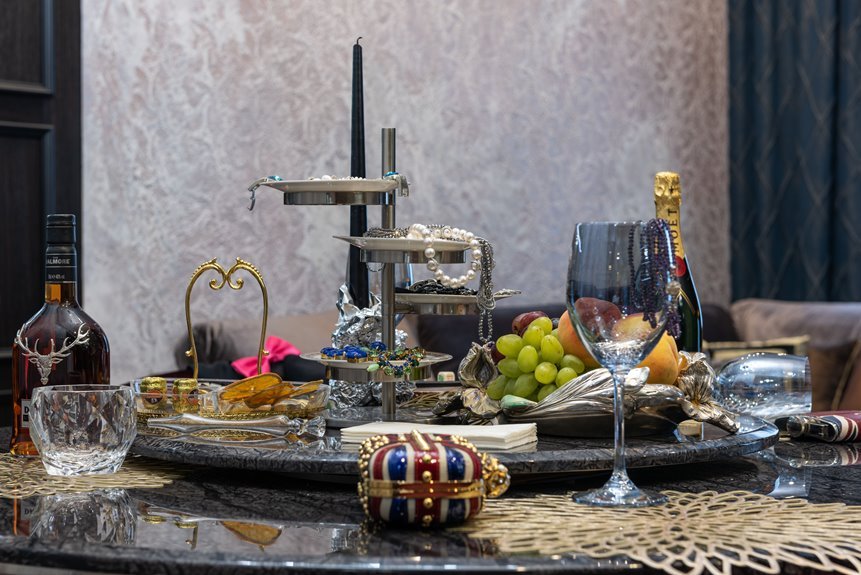
Understanding personal taste in luxury design requires a disciplined eye: it is a compass, not a compass rose, guiding material choice, proportion, and finish with deliberate restraint. The practitioner curates texture, lineage, and color psychology, balancing timeless craft with individual nuance. Each decision should affirm purpose rather than impulse, weaving coherence from diverse influences. The result is spaces that feel both refined and liberating, yet the next step remains to be explored in how intent translates into tactful, enduring composition.
What Personal Taste Means in Luxury Design
Personal taste in luxury design functions as a compass rather than a dictate, guiding selections that elevate experience without compromising craftsmanship. The discourse clarifies taste meaning as nuance, perception, and intent, shaping why certain objects resonate.
designers catalog luxury preferences with disciplined restraint, balancing novelty and heritage. This consciousness empowers autonomous choice while preserving coherence, texture, and lineage across environments.
Aligning Timeless Craft With Individual Flair
Aligning timeless craft with individual flair requires a disciplined dialogue between enduring technique and personal voice. The discourse examines how timeless craft informs form while individual flair reframes context, enabling fearless experimentation. Material sourcing becomes a rite of discernment, not merely procurement, and color psychology guides perception with intention. This balance cultivates refined yet liberating luxury, resisting cliché through thoughtful, future-facing curation.
Practical Steps to Translate Taste Into Cohesive Spaces
How can a designer translate discerning taste into spaces that feel cohesive rather than curated excess? Through disciplined taste intention, practitioners map tactile rhythm, color dialogue, and material cadence, aligning items with purpose rather than display. Subtle contrasts foster space cohesion, while deliberate restraint preserves authenticity. The result is refined, liberating interiors where personal nuance harmonizes with timeless function and contemporary perception.
Common Pitfalls and How to Avoid Them
Common pitfalls in luxury design arise less from an absence of intention than from an overextension of it. Excessive customization blurs coherence, while supplier bias shapes selections toward convenience rather than vision. Attuned curators resist noise, favoring restraint, provenance, and timeless materials. A disciplined approach preserves balance, ensuring personal taste remains liberated by clarity rather than dictated by transient vendors or gratuitous embellishment.
Quick-Start Framework to Design Rooms You Love
A disciplined shift from recognizing pitfalls to implementing a personal-aesthetic framework begins with a concise, results-oriented approach to room design. The Quick-Start Framework translates ideals into action: establish intent, map spatial rhythm, select nuanced palettes, and anchor with tactile elegance. timing considerations guide pacing; color psychology informs mood. This disciplined methodology honors freedom while delivering refined, cohesive rooms readers love.
Frequently Asked Questions
How Does Culture Shape Luxury Design Preferences?
Culture cues and regional aesthetics shape luxury design preferences by informing symbolic meanings, material choices, and spatial rhetoric; designers decode these signals to craft resonant environments, balancing heritage reverence with contemporary opulence, while empowering an audience seeking liberated expression.
Can Personal Taste Evolve With Changing Trends Without Losing Value?
Like a seasoned curator, the answer asserts that taste evolution vs trend cycles can coexist; value retention in evolving aesthetics relies on timeless principles, adaptable narratives, and discerning restraint within personal taste guiding, rather than chasing fleeting fashions.
What Budget Tweaks Maximize Perceived Luxury in a Room?
Budget tweaks maximize Perceived luxury by disciplined material selection, precise finishes, and balanced scale; understated elegance commands attention. The approach emphasizes restraint, curated authenticity, and trend-aware choices, enabling freedom while maintaining refined interiors that readers perceive as elevated.
How Do Sensory Experiences Influence Luxury Interior Choices?
Pulling back the curtain, sensory experiences influence luxury interior choices through sensory richness, tactile cues, and cultural symbolism, shaping global aesthetics with deliberate, elevated curation. They embody freedom, guiding nuanced selections amid evolving trends and perceptual desirability.
Is There a Simple Method to Test Taste in Spaces Before Committing?
Yes, one may try before commitment by employing sensory testing methods: swatches, vignette mockups, and short-term trials. The approach respects autonomy, elevates discernment, and curates trends while preserving freedom in personal taste within curated spaces.
Conclusion
In this brisk, satirical finale, taste is recast as a discreet magnate—ever so decisive, never loud. The neophyte’s quest for luxury becomes a ballet of restraint, where lineage whispers and texture nods to authority. Mastery arrives not with flamboyance, but with a curator’s wink: acknowledge trends, then politely sideline them. Thus, the space remains electromagnetically calm, consciously curated, and impeccably legible—an impeccably dimmed stage where personal taste conducts an orchestra of timeless craft, unspooled with mischievous restraint.