


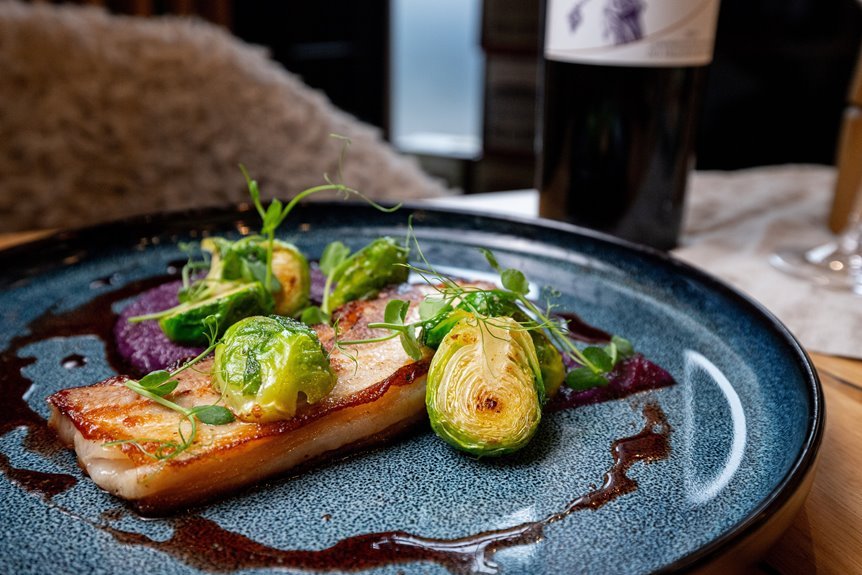
Explorers map regional flavor through local tables, noting ingredients, techniques, and the aroma that defines a terroir. They listen for market chatter and the sizzle of pans, seeking authenticity in menus and the stories behind each dish. The room, its suppliers, and the cadence of service become clues. A practical tasting plan emerges, focused on regional sourcing and deliberate pacing, promising deeper resonance—if one stays attentive, the conversation only becomes more nuanced. The next step awaits a clearer path.
Identify Your Regional Flavor Map
A regional flavor map is a careful cataloging of local tastes, ingredients, and culinary tendencies that define a territory’s dining landscape.
The regional map highlights distinctive aromas, textures, and techniques, guiding a discerning palate.
It reframes choices around authenticity, pointing to authentic spots while honoring tradition and evolution.
Freedom to explore grows from clear, purposeful, culturally informed navigation.
Hunt for Authentic Local Spots Near You
The hunt for authentic local spots near you begins with a careful listening to the neighborhood’s pulse: the sizzle of a pan, the hum of a market, the cadence of a clan’s signature dishes.
This pursuit builds a regional flavor map, assesses ambiance sourcing, and sketches a practical tasting plan, while menus decoding nuance for a freer, discerning palate.
Decode Menus: What to Order for Regional Accuracy
Decoding a menu for regional accuracy focuses on translating place-based cues into concrete choices that reflect local terroir, techniques, and tradition.
The approach favors discerning palates and cultural context, selecting dishes whose ingredients reveal authenticity cues and sourcing stories.
It emphasizes decode menus as a guided arc toward regional accuracy, embracing freedom to explore flavors while honoring place-based culinary logic.
Read the Room: How Ambiance and Sourcing Tell a Story
How does a room convey a region before a plate ever touches the table? The space speaks through texture, light, and arrangement, guiding perception toward terroir and tradition. Ambience storytelling reveals atmosphere as ingredient, while sourcing narratives trace farmers, mills, and markets. This quiet frame invites informed choice, celebrating freedom to taste culture beyond menus and marketing.
Build a Practical Regional Tasting Plan You Can Repeat
A practical regional tasting plan hinges on repeatable structure, not fleeting novelty, guiding guests through a coherent map of terroir-driven flavors. It emphasizes regional sourcing, curated courses, and predictable pacing, enabling repeat visits with confidence.
A discreet flavor taxonomy frames choices, clarifying distinctions without arrogance.
The approach honors craft, culture, and freedom to explore, while maintaining disciplined, sensory-focused storytelling.
Frequently Asked Questions
How to Verify a Restaurant’s Regional Authenticity Beyond Menus?
An evaluator considers verifying provenance beyond menus by observing sourcing stories, kitchen practices, and cross regional chefs. This approach values savory nuances, discernible palate cues, and cultural context, appealing to a freedom-seeking audience seeking authenticity through verifications.
Are There Regional Differences Within Nearby Neighborhoods Worth Exploring?
Regional contrasts exist within nearby neighborhoods, offering distinct textures and aromas for the discerning palate; curious diners notice evolving neighborhood flavors, suggesting savory nuances and cultural context while savoring freedom to chart personal culinary paths.
How Often Should You Revisit a Spot to Taste Seasonal Changes?
Seasonal cadence suggests revisiting quarterly to savor shifts, as neighborhood terroir evolves with harvests and chefs’ inspirations. A discerning palate notes subtle changes, embracing cultural context and freedom to explore evolving tastes without sentimentality or haste.
What Ethical Considerations Come With Sourcing Regional Ingredients?
Ethical sourcing demands traceable origins and fair labor; supply transparency reveals truth behind regional ingredients. It respects cultural context, honors producers, and invites a discerning palate to weigh impact while preserving culinary freedom and sustainable traditions.
Can You Combine Multiple Regions in a Single Tasting Plan Effectively?
Fusion as a compass guides combination planning, revealing whether Regional fusion insights are achievable when tasting multiple regions in one plan. It requires balance, restraint, and respect; the discerning palate embraces freedom while honoring cultural context.
Conclusion
This article wraps its arms around a region’s flavor map, inviting readers to taste with intention. By tracing local sourcing, cuisine-specific techniques, and the market’s hum, the reader gains a palate map that stays faithful to place. It reads like a well-curated tasting flight—progression, nuance, balance—where each course tells a story. Like a seasoned sommelier guiding a journey, the piece distills authenticity without sacrificing cultural reverence, an edible atlas that lingers on the tongue and memory.