


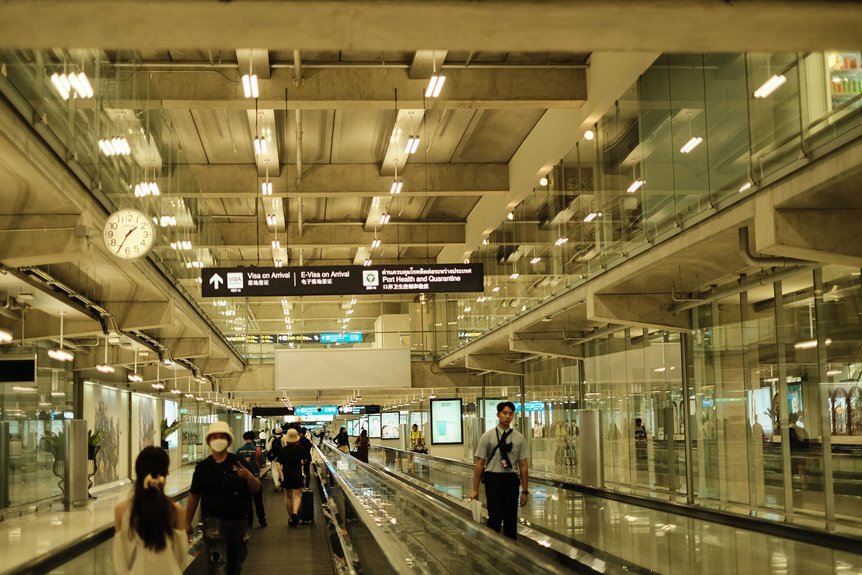
A Simple Guide to Understanding Visa Conditions After Arrival presents a clear framework for what a visa permits once on the ground. It explains stay length, renewal triggers, and the specific limits on work, study, or other activities by category. The guide emphasizes tracking status changes and reporting updates promptly to avoid penalties. Official, up-to-date sources are cited as essential. The path to compliance is straightforward, yet nuances vary by visa type, leaving key details to be confirmed as circumstances unfold.
What Visa Conditions Actually Mean After You Arrive
Understanding the terms of a visa after arrival is essential for compliance and risk management. The reader gains clarity on how conditions shape daily activities, work rights, and travel. Visas confusion is minimized by recognizing that terms are binding and specific. Consent requirements may govern sponsorship, participation, and documentation. Awareness supports autonomy while avoiding penalties and unintended violations.
How Long You Can Stay and When You Must Renew or Extend
How long a visa holder may remain in the host country and when renewal or extension is required depend on the visa category, duration granted at issuance, and any imposed conditions. Time limits vary by visa type, while renewal rules depend on compliance, documentation, and timely applications. Understanding these parameters ensures lawful presence, avoids gaps, and maintains future eligibility for residence or travel.
Work, Study, and Other Activities: What’s Allowed and What Isn’t
Determining permissible activities after arrival depends on visa category, conditions attached at issuance, and local regulations; explicit authorizations govern whether work, study, or other pursuits are allowed.
The document clarifies work restrictions and study permissions, outlining allowed hours, employer types, and credential requirements.
Readers gain a clear, actionable framework for assessing permissible engagement, while avoiding ventures beyond authorized limits and ensuring compliance.
How to Track Changes to Your Visa and Report Changes in Status
Tracking visa changes and reporting status updates is a structured process that follows the conditions outlined at issuance and any applicable local regulations. Authorities monitor alterations to eligibility, work permissions, and duration. Individuals should document changes promptly, use official channels, and confirm receipt.
Tracking changes requires timely notes, precise details, and organized records to ensure accurate reporting and ongoing compliance with immigration rules.
Where to Find Official, Up-to-Date Details for Your Visa Type
Official, up-to-date details for a visa type are found through authoritative government and embassy sources, not third-party sites.
This position clarifies where to verify conditions: Official sources provide current visa updates, while consular portals confirm eligibility, duration, and required steps.
Compliance reminders emphasize timely reporting and status tracking; rely on official channels to monitor changes and maintain valid status without ambiguity or delay.
Frequently Asked Questions
Can Visa Conditions Change After Arrival Without Notice?
Visa conditions can change after arrival, with or without notice, in theory. The researcher notes that post arrival adjustments might occur due to policy interpretations, regulatory updates, or administrative decisions, potentially impacting rights and obligations under the visa.
Do Family Members Gain the Same Visa Rights?
Family rights are not automatically identical; family members do not share the same visa entitlements. The authorities may impose different conditions; applicants should verify each member’s visa entitlements and monitor any changes for compliance and freedom considerations.
Is Travel Outside the Country Allowed During Stay?
Travel outside the country is possible only within travel restrictions; departures must align with visa conditions. Compliance reminders emphasize verifying allowed durations and re-entry requirements to preserve status; individuals should plan carefully to avoid inadvertent violations.
How to Appeal a Visa Denial or Revocation?
Can someone appeal a visa denial or revocation? The answer: organizations outline the appeal process and deadlines. It is essential to address revocation criteria directly, submit supporting evidence, and pursue timely, precise, legally grounded arguments for reconsideration.
Are There Penalties for Minor Visa Condition Violations?
Yes, there can be penalties for violations; authorities assess penalties for violations depending on severity, duration, and conditions breached. For minor violations, penalties for violations may include warnings, warnings with reporting, or limited consequences, not automatic removal in all cases.
Conclusion
In summary, visa conditions dictate what may be done and for how long, with strict rules governing stay, renewals, and permissible activities. By understanding specifics and monitoring status changes, travelers avoid penalties and stay compliant. The key is relying on official sources and promptly reporting any status updates. Changes in policy are like tides; staying informed ensures one remains afloat and on the right side of the law.