


They say a house is not a home without a pet. Whether it’s the enthusiastic greeting of a Golden Retriever or the comforting purr of a cat, our furry companions bring immeasurable joy to our lives.
However, they also bring something else: a relentless, never-ending tide of mess.
If you are a pet owner, you know the reality. There are the “tumbleweeds” of fur rolling across the hardwood floors. There are the muddy paw prints stamped onto the kitchen tile after a rainy walk. There is the scattered kibble and the inevitable water bowl splashes.
For years, the solution was simple but exhausting: constant manual labor. You swept, you vacuumed, and then you mopped. But in the modern era, where time is our most valuable currency, spending an hour every day chasing fur is no longer sustainable.
To reclaim your time without sacrificing the cleanliness of your home, you need to stop thinking about cleaning tools in isolation. Instead, you need to build a “Cleaning Ecosystem.” This involves pairing two specific technologies—automation for the daily maintenance and hybrid power for the deep cleaning—to handle the unique challenges of a pet-friendly household.
Phase 1: The Daily Defender (Automated Fur Management)
The first law of pet ownership is that shedding never stops. It is a biological constant. Even “hypoallergenic” breeds shed dander and introduce allergens into the environment.
The problem with fur is that it accumulates rapidly. If you vacuum on Sunday, the floors look great. By Tuesday, there is a visible layer of hair. By Friday, it looks like you haven’t cleaned in a month. Because most of us work full-time jobs, we simply cannot vacuum every single day to keep up with the rate of shedding.
This is where automation becomes a necessity, not a luxury.
Investing in the best robot vacuum for pet hair is the only way to win the war of attrition against shedding. Unlike a human, a robot doesn’t get tired, distracted, or busy. It can run on a schedule—every day at 10:00 AM—scanning your home and removing hair before it has a chance to settle into carpets or clump in corners.
What to Look For
When selecting a robotic assistant for a pet-heavy home, “standard” specs aren’t enough. You need specific features designed to handle biological debris:
- Tangle-Free Brush Rolls: Standard bristles get choked by long dog hair instantly. Look for rubberized or cutting brushes that prevent tangles.
- High Suction Power: Pet dander is heavy and sticky. A weak motor will leave allergens trapped deep in rug fibers.
- Obstacle Avoidance: This is critical. Your robot needs to be smart enough to see—and avoid—pet toys, water bowls, and the dreaded “pet accident” on the floor. AI-driven obstacle recognition is a game-changer for peace of mind.
Phase 2: The First Responder (Managing Liquids and Mud)
While a robot handles the dry debris (dust and hair), pet owners face a second, messier category of chaos: wet messes.
Robots are generally not designed to drive through puddles of water, scrub dried mud, or suck up spilled wet food. Traditionally, handling these messes required a two-step process: first, you vacuum up the solids, and then you grab a mop and bucket to scrub the floor. This is time-consuming and often results in pushing dirty water around the room.
To complete your ecosystem, you need a tool that bridges the gap between a vacuum and a mop.
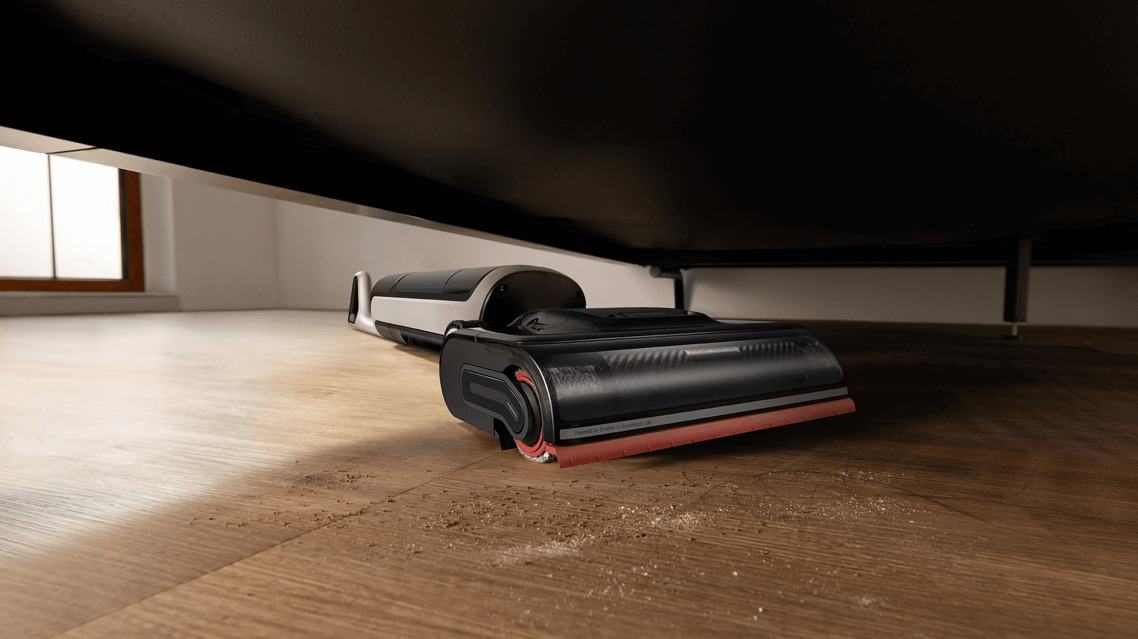
This is the domain of the modern wet dry vacuum. These handheld devices are designed to vacuum dry debris and wash floors simultaneously.
The “One-Pass” Advantage
For a pet owner, the speed of cleanup is essential. If your dog tracks mud through the hallway, you want it gone in seconds. A wet/dry vacuum operates with a dual-tank system: it dispenses clean water and cleaning solution onto a high-speed roller, scrubs the floor, and immediately vacuums the dirty water into a separate sealed tank.
This offers several advantages over a traditional mop:
- Hygiene: You are never washing the floor with dirty water. The machine ensures only fresh water touches your tiles.
- Versatility: You can clean up a spilled bowl of cereal and milk in one pass. The machine swallows the cereal and the milk, scrubbing the sticky residue instantly.
- Self-Cleaning: Perhaps the biggest benefit is the dock. After cleaning up a messy pet disaster, you simply place the unit on its base, and it flushes its own rollers, preventing bacteria and odors from building up.
The Perfect Workflow
So, how do these two machines work together?
The ideal “Pet Ecosystem” relies on specialization. You delegate the repetitive, low-intensity work to the robot, and you reserve the high-intensity spot cleaning for the wet/dry vac.
The Routine:
- Monday – Friday (Automated): Your robot vacuum runs automatically while you are at work. It maintains the baseline cleanliness, ensuring that when you walk in the door, there are no tumbleweeds of hair greeting you. The air quality improves because dander is removed daily.
- Evenings (Spot Cleaning): After dinner or a walk, “accidents” happen. Water spills, muddy paws, or dropped food are handled instantly with the wet/dry vacuum. It takes 30 seconds to grab it from the dock, clean the spot, and put it back. No buckets, no wringing out mops.
- Weekend (Deep Clean): Instead of spending your Saturday morning sweeping and then mopping, you do a single “wet/dry” pass over the high-traffic areas (kitchen and living room) to sanitize the floors.
Conclusion
Owning a pet requires a lot of patience, but it shouldn’t require a lot of drudgery. By realizing that “cleaning” is actually two different tasks—daily dry maintenance and wet deep cleaning—you can choose the right tool for each job.
Equipping your home with a smart robot to handle the fur and a powerful wet/dry washer to handle the grime transforms cleaning from a chore into a manageable background process. The result? A home that smells fresh, floors that feel clean, and more time to spend playing fetch rather than pushing a broom.