


A roof is easy to ignore until a leak, storm, or sudden repair bill forces it into focus. For homeowners in San Antonio, roof care is not just about curb appeal; it is about heat, wind, hail, moisture, and long-term property protection.
Why Roof Maintenance Matters in San Antonio
San Antonio homes deal with intense sun, seasonal storms, and temperature swings that can wear down roofing materials over time. Even a roof that looks fine from the ground may have small issues developing around flashing, vents, shingles, gutters, or drainage points.
Regular maintenance helps homeowners catch minor problems before they become expensive repairs. A missing shingle, cracked seal, or clogged gutter may seem small, but water intrusion can spread quickly once it gets beneath the roofing system.
See also: Home Staging Services to Maximize Your Home’s Market Appeal
Common Warning Signs Homeowners Should Not Ignore
Not every roofing issue starts with water dripping from the ceiling. Many early warning signs are subtle.
Look for:
- Shingles that are cracked, curled, loose, or missing
- Dark streaks, soft spots, or sagging areas
- Granules collecting in gutters or near downspouts
- Water stains on ceilings or attic decking
- Higher indoor temperatures or unusual energy use
- Damaged flashing around chimneys, skylights, or vents
After a major storm, it is wise to do a careful visual check from the ground. Homeowners should avoid climbing onto the roof unless they have the right training and safety equipment.
Repair or Replace? How to Think Through the Decision
Many homeowners assume roof trouble automatically means replacement, but that is not always true. A newer roof with isolated damage may only need a targeted repair. On the other hand, an older roof with repeated leaks, widespread shingle wear, or ventilation problems may be more cost-effective to replace.
Key questions include:
How old is the roof?
Age matters because materials lose performance over time. Even quality installation cannot stop natural wear forever.
Is the damage isolated or widespread?
One damaged area may be repairable. Multiple trouble spots across the roof may point to system-wide decline.
Are there ventilation or drainage issues?
Poor airflow and drainage can shorten a roof’s lifespan. A good roofing plan should consider the entire system, not just the visible surface.
Are repairs becoming frequent?
If repair costs keep stacking up, replacement may offer better long-term value.
Choosing Materials for Local Conditions
Roofing materials should match both the home’s style and the region’s climate. In a warm area like San Antonio, homeowners often think about durability, heat resistance, storm performance, and maintenance requirements.
Asphalt shingles remain popular because they balance appearance, cost, and availability. Metal roofing can be attractive for homeowners looking for longevity and strong weather performance. Tile and specialty materials may suit certain architectural styles, though they can require additional structural and budget considerations.
When comparing options, homeowners should ask about:
- Expected lifespan
- Warranty coverage
- Wind and impact resistance
- Energy efficiency
- Maintenance needs
- Compatibility with the home’s structure
For homeowners researching local roofing considerations,roofing San Antonio can be a helpful starting point for understanding services commonly needed in the area.
What to Expect From a Professional Roof Inspection
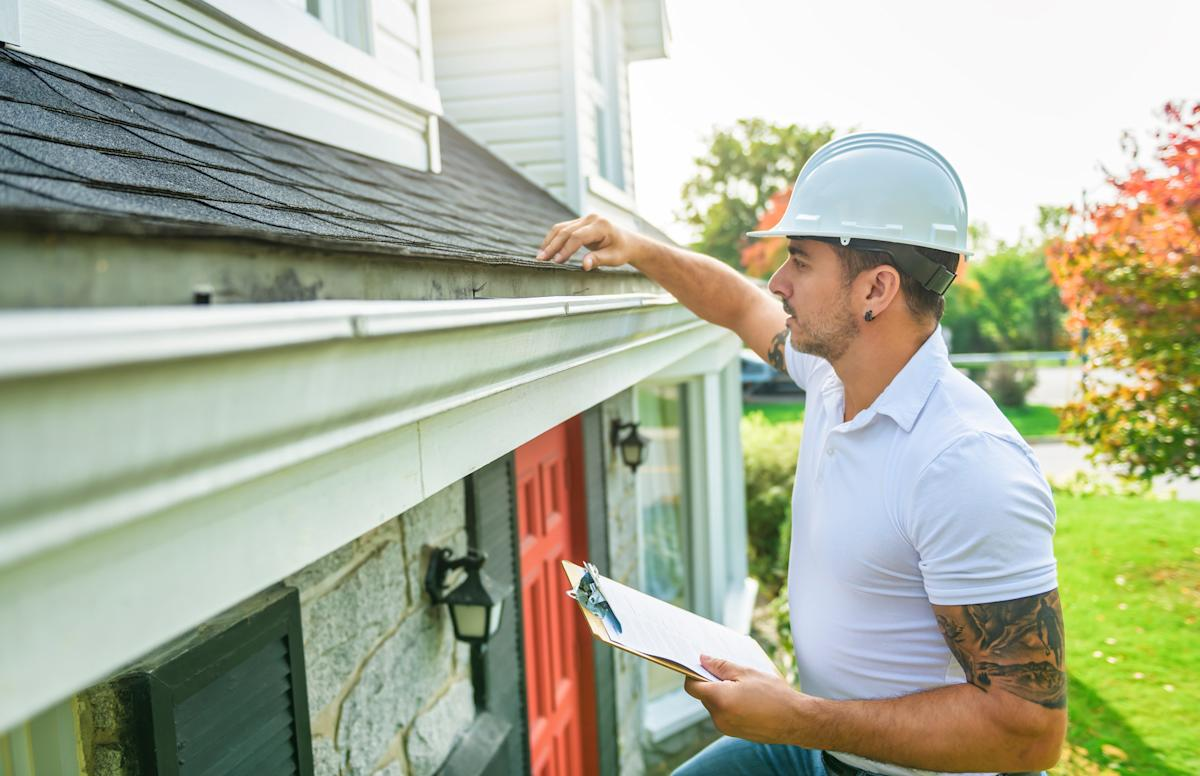
A thorough inspection should go beyond a quick glance. A roofing professional may evaluate shingles, flashing, vents, gutters, attic ventilation, decking condition, storm damage, and signs of moisture intrusion.
Homeowners should expect clear explanations, photos when possible, and practical recommendations. The best inspection reports help property owners understand what is urgent, what can be monitored, and what may become important later.
It is also reasonable to ask questions. A homeowner should feel comfortable asking why a repair is recommended, how long it may last, what alternatives exist, and whether replacement is necessary.
Preparing for Storm Season
Storm readiness is especially important in Texas. While homeowners cannot control hail, wind, or heavy rain, they can reduce risk by keeping the roof and surrounding exterior in better shape.
Before storm season, consider these steps:
- Clean gutters and downspouts so water can move away from the home.
- Trim branches that hang near the roof.
- Check attic spaces for signs of moisture or daylight.
- Secure loose exterior items that could become windblown debris.
- Schedule an inspection if the roof is older or has past damage.
After a storm, document visible damage with photos, avoid unsafe areas, and address active leaks quickly to limit interior damage.
Why Workmanship Matters
Roofing is not only about materials. Installation quality affects performance, appearance, and lifespan. Even premium shingles can fail early if ventilation, flashing, fasteners, underlayment, or drainage details are handled poorly.
Homeowners should look for roofing contractors who communicate clearly, explain options without pressure, provide written estimates, and understand local building conditions. A strong roofing project should leave the homeowner with confidence, not confusion.
Conclusion
A well-maintained roof protects more than the structure of a house. It supports comfort, energy efficiency, resale value, and peace of mind. By watching for warning signs, scheduling inspections, choosing materials carefully, and working with qualified professionals, San Antonio homeowners can make smarter roofing decisions before small problems become major disruptions.