


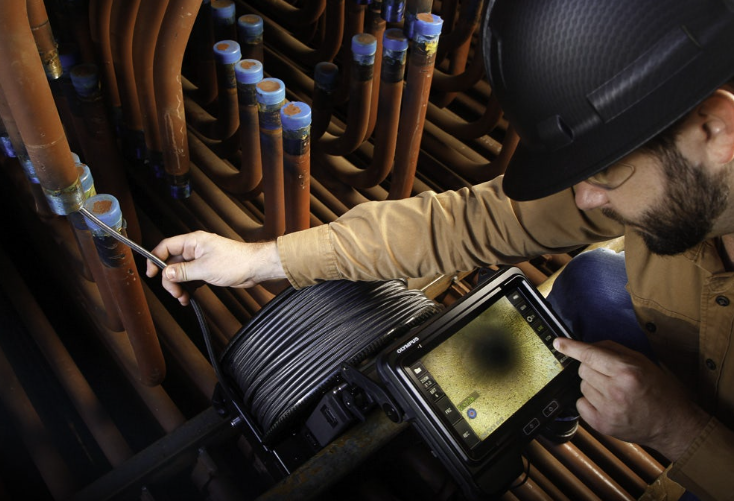
The Evolution of Industrial Videoscopes: A Game Changer in Inspection
From Basic Tools to Advanced Technology
Industrial videoscopes have significantly evolved over the decades, transitioning from rudimentary inspection tools to sophisticated systems that harness cutting-edge technology. In the early days, inspectors relied on simple borescopes, which consisted of a rigid tube and a basic optical system. These early models had limited functionality, often requiring disassembly of equipment to conduct inspections. The introduction of flexible fiber optic technology marked a dramatic turning point. This allowed for easier maneuverability and accessibility in hard-to-reach areas, drastically enhancing the potential for visual inspections. As electronics advanced in the late 20th century, videoscopes emerged, integrating high-definition cameras and display technology. The result was a more reliable and efficient means for conducting inspections, especially in industries that demanded rigorous standards, such as aerospace, automotive, and manufacturing. Modern videoscopes now feature enhanced lighting systems, ergonomic designs, and digital recording capabilities, providing inspectors with an invaluable tool that not only aids their work but also enhances the quality and depth of the inspections they perform.
The Role of Innovation in Inspections
Innovation plays a pivotal role in the ongoing enhancement of inspection technologies, particularly in the development of industrial videoscopes. These advancements are primarily driven by the need for more efficient processes and higher standards of safety and accuracy. Recent innovations include wireless technology, which allows videoscopes to transmit data in real-time to remote displays or analysis systems. This capability extends the range of inspection possibilities and enables collaborative efforts among teams located in different locations. Moreover, with the rise of artificial intelligence (AI) and machine learning, videoscopes have begun to incorporate predictive analytics that assist inspectors by highlighting potential issues before they escalate into significant problems. This has led to a paradigm shift wherein inspections are no longer merely checking for compliance; they are proactive measures that contribute to comprehensive maintenance strategies. The continuous evolution of these tools illustrates the intertwined nature of technology and industrial accountability, where the advancement of videoscopes directly correlates to enhanced operational safety and efficiency.
How Videoscopes Have Shaped Industry Standards
The integration of videoscopes into various industries has fundamentally shaped standards, particularly in how inspections are mandated and conducted. Regulatory bodies across different sectors have increasingly recognized the advantages presented by videoscopes, subsequently updating their compliance guidelines to permit or even encourage their use. This adaptation is evident in sectors such as energy, where rigorous safety standards are paramount. Videoscopes have become a standard inspection tool that not only meets but often exceeds regulatory expectations. Furthermore, the detailed imaging capabilities of videoscopes have raised the benchmark for inspection accuracy. With high-resolution video output, inspectors can detect the minutiae that might go unnoticed through traditional means, such as the early signs of wear and tear in industrial machinery or the detection of corrosion in pipelines. The implications of this accuracy have contributed to a broader industry acceptance of videoscope technology, pushing manufacturers to implement these tools as a best practice in their quality assurance protocols. This evolution signifies not only a shift in inspection methodologies but also highlights an ongoing commitment to maintaining the highest standards of safety and performance across industries.
Unlocking Productivity: How Videoscopes Revolutionize Inspections
Efficiency Boosts: Saving Time and Resources
The introduction of industrial videoscopes has led to remarkable efficiency boosts in inspection processes. Traditional inspection methods often require extensive manual labor and considerable time investment, especially when accessing confined spaces or intricate assemblies. Videoscopes eliminate the need for labor-intensive scaffolding or disassembly, allowing inspectors to conduct thorough evaluations in a fraction of the time. This time-saving aspect translates directly into cost savings, as there are fewer interruptions to production timelines and reduced labor costs. In addition, the ability to record video and capture images during inspections means that historical documentation can be maintained with minimal effort. Employers can reference past inspections to track changes over time, which fosters a culture of accountability and continuous improvement. These efficiencies help industries enhance their overall productivity, allowing for better resource allocation and the capability to emphasize core operations while trustably monitoring compliance with safety and quality standards.
Real-Time Data: The Key to Informed Decision Making
One of the most substantial benefits of using videoscopes is the immediate access to real-time data. Inspectors can relay findings instantaneously, reducing the time between inspection and decision-making. This capacity for swift communication can have significant implications for preventative maintenance strategies and the scheduling of repairs. When issues are detected more quickly, organizations can prioritize tasks based on severity, ensuring that critical repairs are completed promptly while non-urgent matters can be scheduled for a later time, thus optimizing workflows and minimizing resource waste. Moreover, integrating videoscopes into a digitized maintenance framework allows data to be analyzed with advanced analytics tools. With machine learning algorithms, vast amounts of inspection data can be scrutinized to identify trends and patterns. These insights foster data-driven decision-making, where businesses can implement strategic changes based on predictive insights about equipment longevity and maintenance needs, driving overall operational effectiveness and mitigating risks.
Reducing Downtime: Keeping Operations Smooth and Seamless
Downtime can be one of the most considerable losses in any operational setting, often translating to hundreds of thousands, if not millions of dollars, in lost revenue. Videoscopes play a crucial role in minimizing downtime by expediting the inspection process and facilitating more efficient maintenance procedures. The convenience of being able to carry out inspections without dismantling machines enables teams to identify issues before they lead to failures, drastically reducing the time equipment sits idle. In highly regulated sectors, such as aerospace and energy, where even minute inconsistencies can lead to system failures, having immediate access to comprehensive inspection data is vital. This capability allows organizations to maintain operational efficiency, as they are better equipped to address potential issues before they escalate into costly repairs or system shutdowns. The end result is a smoother operational flow, ensuring that production schedules are adhered to and that service levels are maintained, thereby boosting overall confidence and trust among stakeholders.
Precision and Accuracy: The Unmatched Advantage of Videoscopes
High-Resolution Imaging: Seeing the Unseen
The hallmark of modern industrial videoscopes is their high-resolution imaging capability. Instead of relying on the limited view provided by traditional tools, today’s videoscopes deliver crystal-clear visuals that reveal details too fine for the naked eye. High-definition camera sensors allow for detailed imaging, such as detecting micro-cracks, evaluating wear patterns, and identifying corrosion not visible with conventional inspection methods. Such precision in imaging not only enhances the effectiveness of inspections but also assures compliance with industry standards. Tailored specifications require increasingly higher levels of detail during inspections, especially in fields like aerospace where the integrity of components is non-negotiable. High-resolution imaging thus elevates the standards for inspections, whereby companies are held accountable to deliver the highest quality control measures possible.
Minimizing Errors: The Role of Detail in Inspection
The detail captured through advanced imaging systems significantly minimizes the likelihood of human error during the inspection process. Traditional methods often rely on subjective interpretation, which can lead to inconsistent results and misidentifications. Conversely, videoscopes offer objective data that can be analyzed systematically, ensuring a higher degree of accuracy. Furthermore, advanced imaging capabilities enable inspectors to zoom in on areas of interest without compromising quality, which is particularly beneficial for checking welds, seams, and joints that are critical to the overall integrity of structures. The precision provided by videoscopes directly correlates to the reliability of maintenance decisions made post-inspection, greatly reducing costs associated with mechanical failure and safety risks.
See also: Look Response Minnesotatechnologyreview
The Importance of Calibration and Maintenance
While industrial videoscopes offer remarkable advantages, it is essential that users understand the importance of regular calibration and maintenance of these devices to ensure continued accuracy and performance. Routine checks are vital to verify that the imaging sensors are functioning correctly, and any necessary adjustments are made to maintain optimal performance. Calibration procedures often involve assessing the videoscope against known standards to ensure that measured outputs remain consistent over time. Following issuance of inspections, it is best practice to maintain a detailed log of calibration certificates and maintenance work performed, thereby ensuring accountability and traceability. This diligence fosters a culture of quality, reinforcing the role of videoscopes not just as tools, but as integral components to the overarching quality assurance framework.
Applications Across Industries: Where Videoscopes Shine
From Aerospace to Automotive: Diverse Uses of Videoscopes
The versatility of industrial videoscopes is showcased across various industries, with applications ranging from aerospace to automotive, medical devices, and energy. In aerospace, for instance, videoscopes are essential for inspecting aircraft engines, wing structures, and fuel systems, where precision is paramount due to the potential consequences of failed components. Engineers rely on the detailed imaging capabilities of videoscopes to preempt mechanical failures, thus protecting both aircraft safety and operational reliability. In the automotive sector, vehicle manufacturers use videoscopes to conduct inspections on engine components and internal assembly processes. The technology helps identify defects or debris that may live within engine cavities, ensuring that vehicles meet safety and regulatory standards. Moreover, videoscopes play a critical role in inspections of systems such as brake lines and exhausts, where the detection of blockages or leaks is vital to vehicle performance and safety. This cross-industry adaptability illustrates not only the broad utility of videoscopes but reinforces their necessity in maintaining high-quality engineering and production practices.
Unique Challenges Solved: Case Studies in Various Sectors
Case studies across various sectors showcase the unique challenges that industrial videoscopes help address. In the energy sector, for instance, regular inspections of pipelines are critical to managing leaks and ensuring compliance with environmental regulations. A renowned oil and gas company adopted videoscopes to conduct internal inspections of pipelines, dramatically improving their ability to detect corrosion and potential failure points. This technology not only minimized risk but also saved costs associated with more extensive manual inspections. In the manufacturing sector, a large-scale producer of consumer goods faced frequent production disruptions due to machinery malfunctions. By integrating videoscopes into their inspection regime, they identified the root causes of these interruptions, enabling a switch from reactive maintenance to a predictive maintenance approach. This proactive strategy resulted in significant cost savings, improved production efficiency, and a reduction in unscheduled downtime.
The Future of Videoscopes in Emerging Industries
As industries continue to evolve and become more technologically advanced, the future of industrial videoscopes will likely intersect with other emerging technologies such as automation, augmented reality (AR), and the Internet of Things (IoT). The incorporation of AR could allow inspectors to overlay digital data onto live videoscope feed, facilitating more informed decision-making and interaction with inspection data in real-time. Moreover, as industries like biotechnology and renewable energy continue to expand, the demand for efficient inspection tools will grow. Videoscopes will undoubtedly play a pivotal role in these sectors, addressing the delicate nature of their operations and the precision required throughout complex inspection tasks. Furthermore, the incorporation of IoT technology may lead to smarter videoscopes that can communicate real-time findings to centralized data management systems for immediate analysis, further optimizing maintenance practices and enhancing quality control initiatives. In conclusion, the emergence and evolution of industrial videoscopes have brought transformative changes to inspection processes across a myriad of industries. By maximizing efficiency, increasing accuracy, ensuring compliance with regulations, and fostering informed decision-making, videoscopes are indeed at the forefront of modern industrial inspection strategies. As technology progresses, the scope of their application will undoubtedly broaden, solidifying their role as indispensable tools in the machinery of progress.